
Learn about Harald Bluetooth's Viking fortresses and UNESCO world heritage, beginning, of course, with the best fortified and preserved site, Trelleborg.
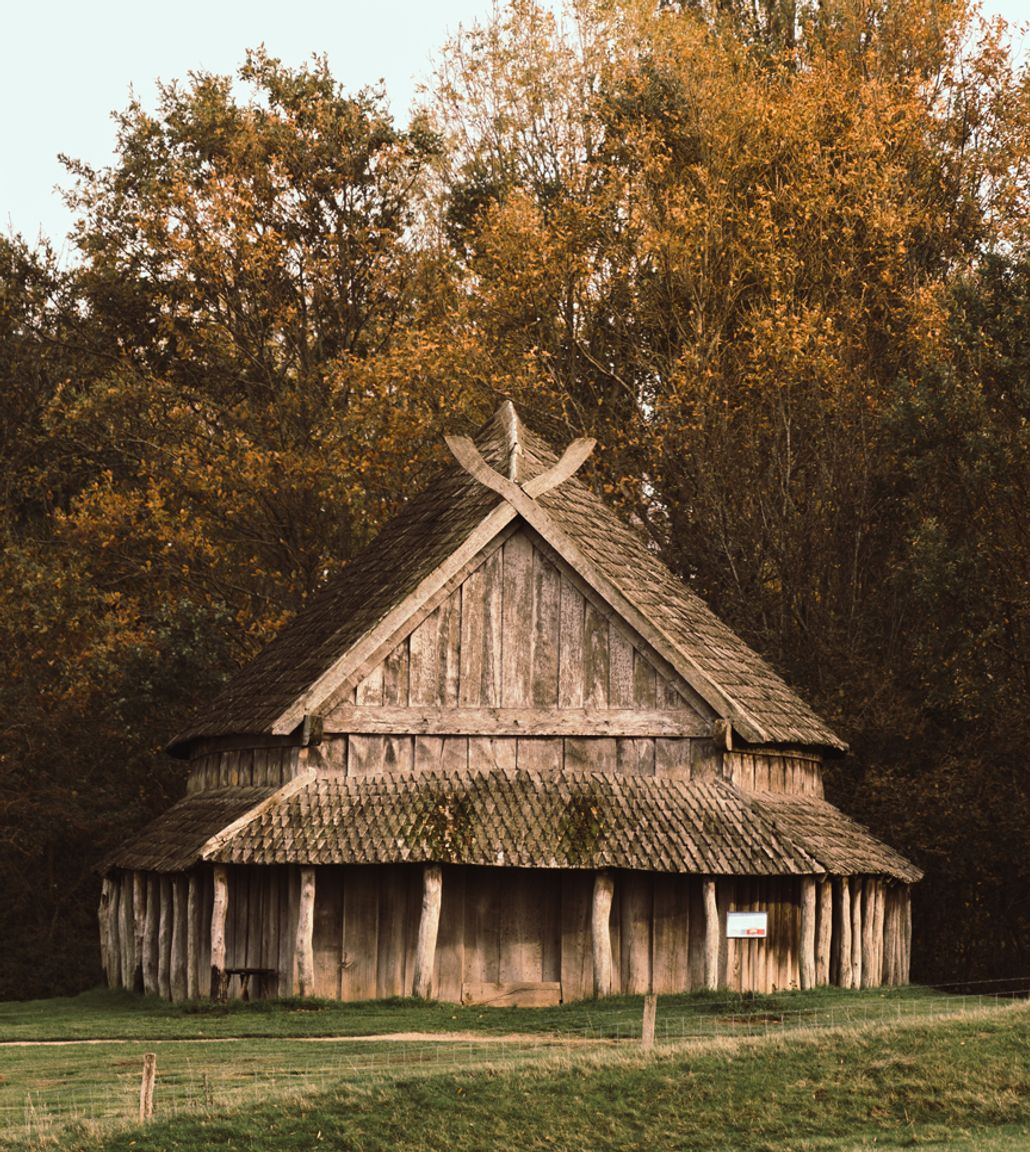
The tour leads from the museum across the longhouse to the ring fortress. At the burial ground, you will learn about the Vikings' relationship with death, after which the tour continues to the impressive seven-meter-high ring rampart, which offers a fabulous view of the entire fortress.
Practical information
Meeting point: Trelleborg entrance.
Accessibility: Good access and facilities for people with disabilities and wheelchair users.
Duration: 1 hour – 1½ hours
Price:
Weekdays: DKK 900 – DKK 1,250
Weekends, public holidays, and evenings: DKK 1,000 – DKK 1,350
1.

An impressive construction – both then and now
The Viking fortresses and longhouses required enormous resources to build – both in terms of labor and materials. But why was it built? And why was it abandoned after only 5-10 years? Hear the story of Trelleborg from the time it was built as the kingdom's best-fortified ring fortress to the present day.
2.
A kingdom in transition
The Viking Age was a time of great changes, not least because of Harald Bluetooth's ambitious plans. Chiefdoms became the Kingdom of Denmark, and the Danes converted to Christianity. Harald Bluetooth introduced new ways of building fortresses and towns. Trelleborg and the other four ringfortresses were strategically placed and built using advanced geometry and symmetry.
3.
The silent testimony of the earth
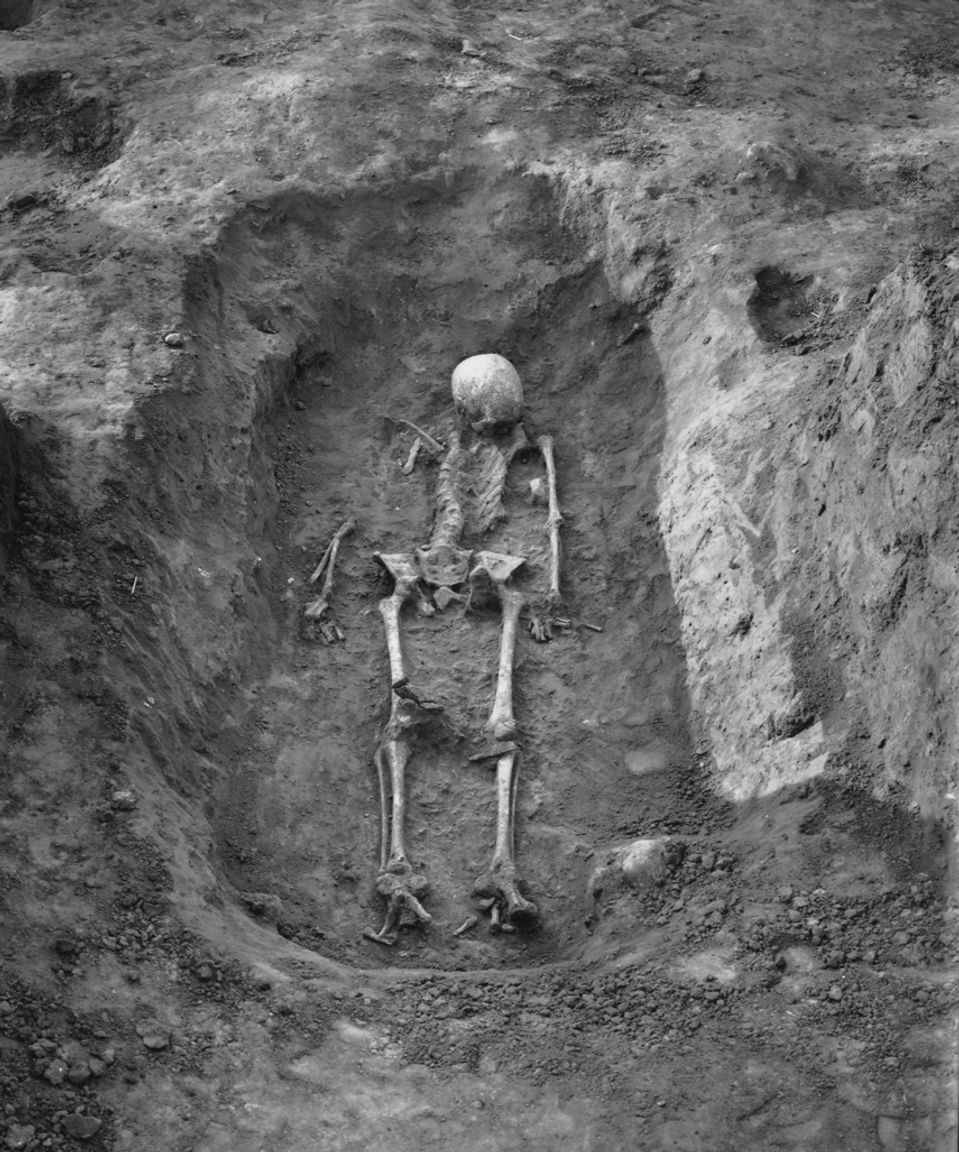
The burial ground at Trelleborg contains the remains of men, women, and children with very different stories. Graves with gifts bear witness to power and status. Mass graves containing young men provide a dramatic insight into a time marked by conflict and unrest. At the same time, graves without grave gifts tell the story of a time of transition from paganism to Christianity – and thus new religious rituals. Human remains have been found in a couple of the fortress' wells from before Trelleborg was built, providing insight into the earliest rituals of the Viking Age.